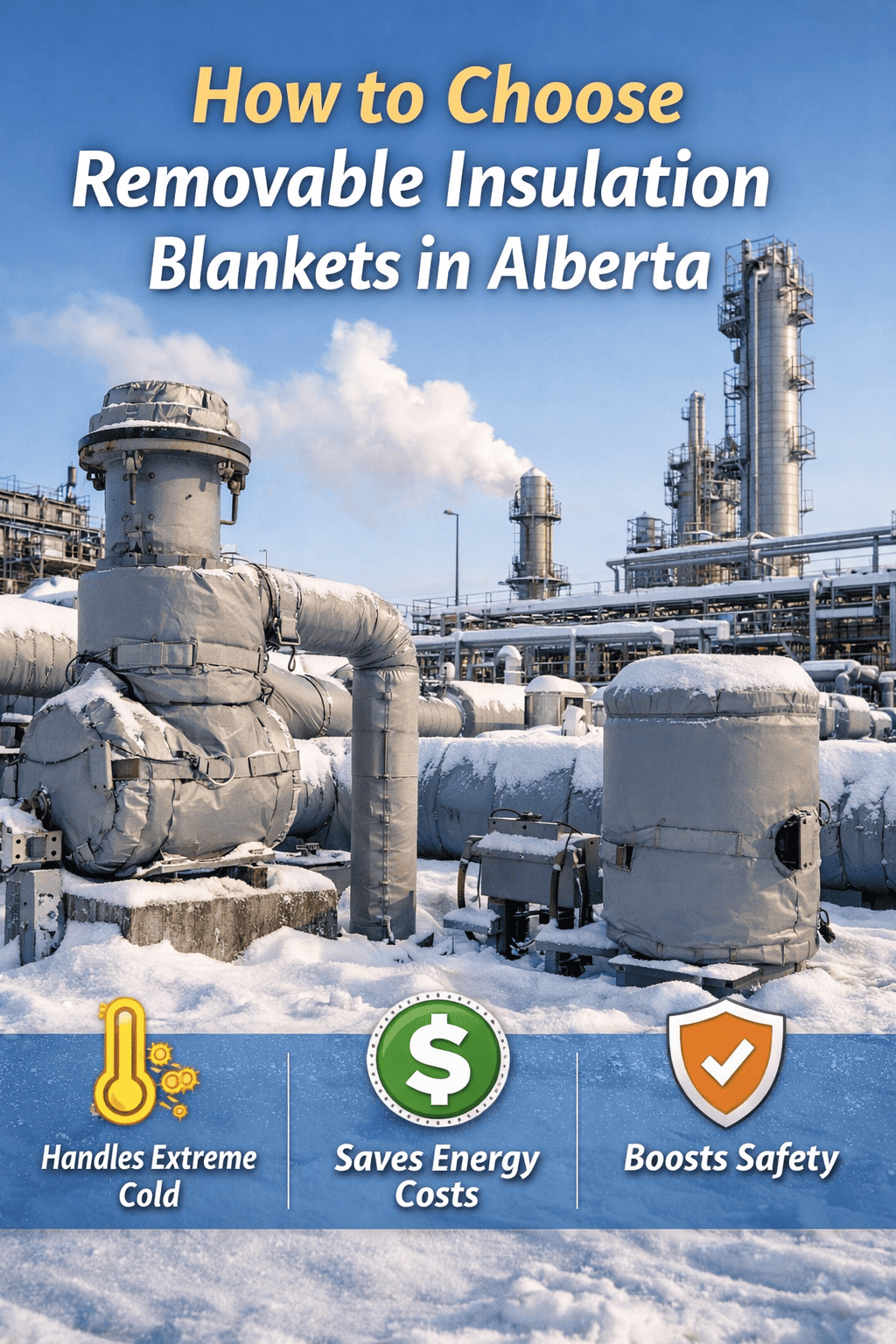
Choosing the right insulation can save money, protect equipment, and make work safer. This guide explains everything you need to know in a simple way. You will learn what removable insulation blankets are, why they matter in Alberta, and how to choose the right one without stress. By the end, you will feel confident and ready to make a smart choice.
Why Insulation Choices Matter in Alberta
Alberta has very cold winters and fast weather changes. Heat loss happens quickly here, especially without proper protection like removable insulation blankets in Alberta. Poor insulation can waste energy and raise costs. Good insulation keeps heat where it belongs and helps systems work better. This is why choosing the right insulation is not just helpful—it is necessary.
What Are Removable Insulation Blankets?
Removable insulation blankets are covers made to fit around pipes, valves, and equipment. They can be taken off and put back on easily. This makes repairs and checks faster. Unlike fixed insulation, they do not need to be cut or replaced every time. That simple feature makes a big difference.
Where These Blankets Are Commonly Used
You can find these blankets in factories, oil and gas sites, power plants, and food facilities. They are also used in places with hot pipes or cold air systems. If equipment needs regular access, removable blankets are often the best choice. They protect workers and equipment at the same time.
Benefits That Go Beyond Heat Control
These blankets do more than hold heat. They help lower noise from machines. They protect workers from burns. They also help control moisture and reduce rust. Each benefit adds value and makes daily work safer and easier.
Understanding Alberta’s Climate Challenges
Cold air, snow, wind, and ice are common in Alberta. Equipment must handle extreme temperatures. Insulation must stay strong and flexible in cold weather. If insulation cracks or breaks, heat escapes fast. Choosing the right material helps avoid these problems.
Materials Used in Insulation Blankets
Most blankets use layers. The inside layer controls heat. The middle layer adds strength. The outer layer protects from weather and wear. Common materials include fiberglass, silica, and special fabrics. Each material serves a purpose and affects performance.
Choosing the Right Temperature Rating
Every blanket has a temperature limit. Some handle very high heat. Others work better for cold systems. Choosing the wrong rating can cause damage or failure. Always match the blanket rating to the real working temperature. This step protects both people and equipment.
Fit Matters More Than You Think
A blanket must fit well to work well. Gaps let heat escape. Loose blankets shift and wear out faster. Custom-fit blankets seal tightly and last longer. A good fit also makes removal easier during maintenance.
Safety Should Always Come First
Safety is a top reason people choose removable blankets. Hot surfaces can burn skin in seconds. Insulated covers reduce this risk. They also lower surface temperature, making work areas safer. Good insulation protects workers every day.
Easy Maintenance Saves Time
Maintenance teams need fast access. Removable blankets make this easy. Workers can remove them without damage. After work, they go back on quickly. This saves time and avoids waste. Over time, this can save a lot of money.
Energy Savings Add Up Quickly
Heat loss costs money. Insulation helps stop that loss. When systems hold heat better, they use less energy. Lower energy use means lower bills. Over months and years, the savings become very clear.
Moisture and Weather Protection
Outdoor equipment faces rain, snow, and ice. Moisture can damage insulation and metal parts. Quality blankets resist water and dry quickly. This helps prevent rust and keeps systems working longer.
Noise Control Is a Hidden Benefit
Some machines are loud. Insulation blankets can reduce noise levels. This makes work areas calmer and safer. Less noise also improves focus and comfort for workers.
Compliance With Site Standards
Many sites have safety and energy rules. Proper insulation helps meet these rules. Choosing the right blanket can help avoid fines or delays. It also shows a strong focus on safety and care.
Custom vs. Standard Blankets
Standard blankets work for simple shapes. Custom blankets fit complex equipment. Custom options cost more at first but last longer. They also work better and look cleaner. For busy sites, custom is often worth it.
When to Replace Old Insulation
Insulation does not last forever. Signs of wear include tears, loose seams, and heat leaks. Old insulation costs more in energy loss. Replacing it early avoids bigger problems later.
Working With Trusted Providers
Good suppliers understand local needs. They know Alberta’s climate and industry demands. They help choose the right materials and fit. This guidance makes the process easier and more reliable.
Planning for Long-Term Use
Think beyond today. Choose insulation that will last years. Strong stitching, tough covers, and quality materials matter. Long-lasting blankets reduce future costs and downtime.
One Key Term You Should Know
When researching options, you may see the phrase removable insulation blankets in Alberta. This term helps describe solutions made for local conditions. Understanding this helps you find better, more suitable options.
Final Thoughts Before You Decide
Choosing the right insulation is a smart investment. It saves energy, improves safety, and supports daily work. With the right knowledge, the decision becomes simple. Focus on fit, material, safety, and climate needs.
A Trusted Name in Insulation Solutions
Companies like G & R Insulating and Scaffolding help industries make smart insulation choices. To learn more, visit https://grinsulating.com.
FAQs
How long do removable insulation blankets last?
With proper care, they can last many years. Quality materials and good fit increase lifespan.
Can these blankets be used outdoors in winter?
Yes. Many are designed for cold and harsh weather when chosen correctly.
Do removable blankets really save money?
Yes. They reduce heat loss, energy use, and maintenance time.





Leave a Reply