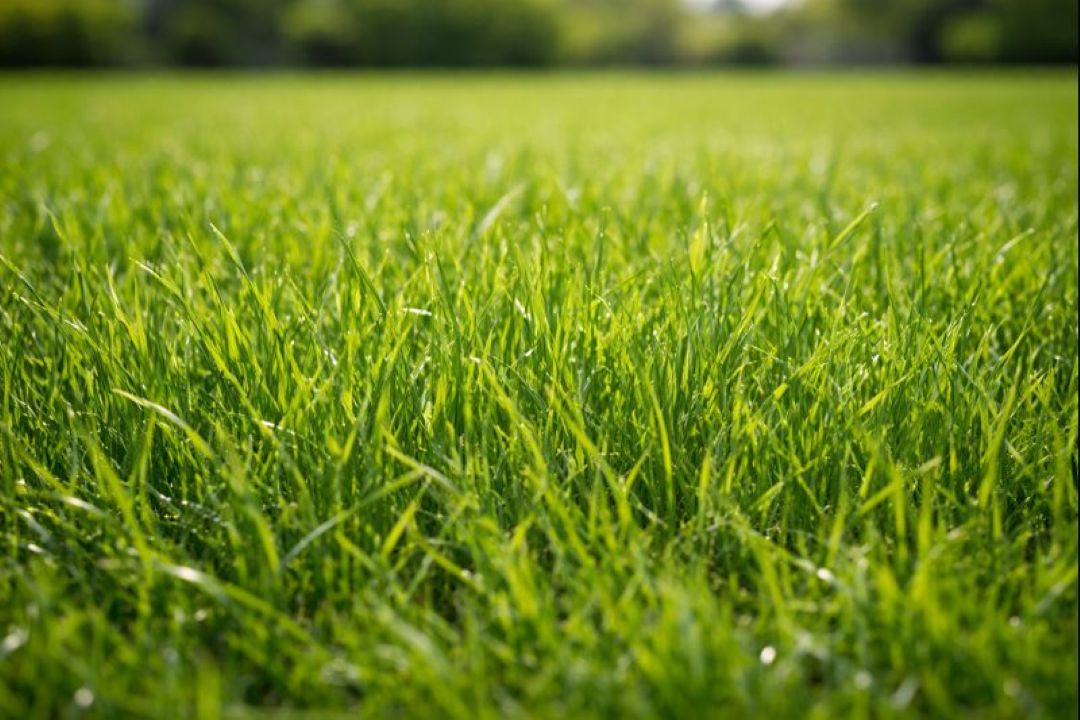
Tall fescue grass works well because it balances durability, comfort, and climate flexibility better than many common turf options. Homeowners want lawns that stay green, feel soft underfoot, and survive heat without constant repair.
The right grass choice makes that possible. Climate shapes everything from water needs to recovery speed. When grass matches local conditions, it grows stronger, lasts longer, and costs less to maintain.
Grass is not just decoration. It supports family life, pets, and outdoor use. Choosing wisely helps lawns handle heat, foot traffic, and water limits without stress.
Climate Is the First Decision Point
Every lawn starts with the climate. Temperature swings, rainfall patterns, and soil type all matter.
Cool regions need grass that stays active in lower temperatures. Warm areas demand heat tolerance and fast recovery. Transitional climates fall somewhere between.
University turfgrass research confirms that climate mismatch causes most lawn failures. Grass either struggles with heat or weakens during cold periods.
Southern California climate conditions create long warm seasons with limited rainfall. This favors warm-season turfgrass like Bermuda grass varieties. They spread quickly and handle heat well.
In cooler regions, grass must stay green through mild summers and colder winters. That is where cool-season grasses perform best.
Climate choice reduces stress before maintenance even begins.
Cool-Season Lawns and Fescue Performance
Cool-season grasses thrive in regions with mild summers and cooler nights. They grow most during spring and fall.
Tall fescue stands out within this group. It has deeper roots than many cool-season options. Deeper roots improve drought tolerance and recovery rate.
According to university extension programs, fescue handles moderate heat better than bluegrass. It also tolerates shade well.
Homeowners value its texture and color. It stays green longer without constant reseeding.
In mixed climates, some homeowners rely on fescue to bridge seasonal gaps. It offers durability without extreme water demand when managed correctly.
Professionals like RototillerGuy often see fescue used where shade or cooler soil limits warm-season grass success.
Warm-Season Turfgrass for Heat-Dominant Areas
Warm-season turfgrass thrives in heat and sun. It grows fastest during summer months.
Bermuda grass varieties are common in hot regions. They offer strong heat tolerance and fast repair after damage. This makes them ideal for active yards.
Foot traffic resistance matters for families and pets. Bermuda handles wear better than many cool-season grasses.
Research from turfgrass institutes shows warm-season grass uses less water during peak heat. This supports irrigation efficiency and water conservation goals.
However, warm-season grass goes dormant in winter. Color fades without overseeding. Homeowners must accept seasonal change.
In Los Angeles yards, Bermuda remains a practical choice due to climate alignment.
Transition Zones Require Careful Balance
Some regions sit between cool and warm climates. These areas challenge grass selection.
Summers may stress cool-season grass. Winters may slow warm-season growth. Balance becomes critical.
Tall fescue grass often fills this gap. It tolerates moderate heat while staying green longer than warm-season options in cooler months.
University turf research supports fescue use in transition zones for its adaptability. Proper irrigation and mowing help it perform well.
Homeowners should plan watering carefully. Deep, spaced irrigation supports root strength and limits heat stress.
Transition lawns succeed when expectations match conditions.
Water Use and Grass Choice Go Together
Grass type directly affects water needs. Choosing poorly increases water bills and stress.
Deep-rooted grass uses water more efficiently. Shallow roots dry out quickly and demand frequent watering.
Fescue benefits from deep irrigation cycles. Bermuda spreads through runners and also uses water efficiently once established.
Studies by the California Water Authority show that matching grass to climate significantly reduces water use.
Homeowners should also consider irrigation design. Even the best grass fails without proper coverage.
For deeper insight into climate-appropriate turf, this guide to choosing the right fescue grass option clearly explains performance differences.
Lawn Durability Depends on Lifestyle
Grass must match how the yard is used. Decorative lawns fail under heavy activity.
Families need grass that recovers quickly. Pets stress turf through running and digging. Recovery rate matters. Bermuda grass repairs damage fast. Fescue recovers slower but offers comfort and shade tolerance.
According to turfgrass studies, grass density improves wear resistance. Proper mowing height supports density.
Matching lifestyle to grass type prevents constant repairs and frustration.
Installation Quality Matters as Much as Grass Type
Even the best grass fails if installed poorly. Soil prep, grading, and irrigation setup matter.
Healthy soil supports root growth. Compacted soil blocks oxygen and water. Professionals address these issues before planting. This improves long-term performance.
Grass choice works best when paired with expert installation and planning.
Conclusion
Choosing the right grass starts with climate, not appearance. Tall fescue grass offers adaptability in cooler and mixed regions, while Bermuda grass remains a strong fit for Los Angeles yards due to heat tolerance and fast recovery. Matching turf to climate improves durability, water efficiency, and long-term performance.
Experience matters when these choices feel unclear. RototillerGuy brings over 25 years of hands-on knowledge, more than 500 local reviews, and proven expertise in lawn installation, landscaping, and sprinkler services. Their work helps homeowners build lawns that last, not lawns that constantly need fixing.
Frequently Asked Questions
Q1: Which grass works best in hot climates?
Warm-season turfgrass performs best in hot areas. Bermuda grass is a common choice due to heat tolerance and fast recovery. It handles foot traffic well and uses water efficiently once established.
Q2: Is fescue good for Southern California lawns?
Fescue can work in shaded or cooler areas of Southern California. It needs careful watering and mowing. It may struggle in full sun during peak heat without proper care.
Q3: How does grass choice affect water use?
Grass with deep roots uses water more efficiently. Climate-matched grass reduces waste and stress. This supports conservation goals and lowers maintenance costs.
Q4: What grass handles pets best?
Bermuda grass resists wear and recovers quickly from pet activity. Dense turf improves durability. Proper irrigation supports faster repair.
Q5: Should grass choice affect irrigation design?
Yes. Different grass types need different watering patterns. Matching irrigation to grass improves health and efficiency.





Leave a Reply