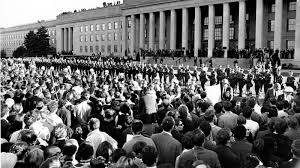
In the current global climate of rising militarism, looking back at the 1960s and 70s isn’t just a history lesson—it’s a survival guide. The Anti-Vietnam War movement remains the most successful example of how organized citizens can dismantle a war machine from the inside.
As a veteran and activist who lived through those “whirlwind lives,” I believe these lessons are vital for today’s anti-imperialist movements.
1. Organizing Beyond the Echo Chamber
The true power of peaceful protest during the Vietnam era wasn’t just in the size of the crowds, but in the diversity of the people. It wasn’t just students; it was factory workers, civil rights leaders, and eventually, the soldiers themselves.
To build a strong anti-war movement today, we must reach across different social sectors. Organizing at the grassroots level ensures that the message of peace penetrates every part of society, making it impossible for the government to ignore.
2. The Strategic Impact of Vietnam War Resistance
One of the most critical lessons from the Anti-Vietnam War movement was the strategic use of resistance. This went beyond marching in the streets. It included:
- Draft Resistance: Thousands of young men refusing to be the “boots on the ground” for an unjust war.
- GI Resistance: Soldiers within the military refusing orders and publishing underground newspapers.
- Economic Pressure: Striking against corporations profiting from napalm and weaponry.
My book, My Whirlwind Lives, explores these moments of choice where individual bravery turned into a collective force that the Pentagon couldn’t contain.
3. Humanizing “The Enemy”
War depends on dehumanization. The US government spent years painting the Vietnamese as a threat to democracy. Protesters countered this by building international solidarity.
Today, as we see similar rhetoric regarding US-China relations, the lesson is clear: we must engage in people-to-people diplomacy. When we see the “other” as human beings with families and dreams, the justification for bombing them vanishes.
4. Persistence Over Performance
Real change didn’t happen after one march. It took over a decade of consistent, tiring, and often dangerous work. This is a crucial takeaway for Dee Knight activists and young organizers today: the history of anti-war activism is a marathon, not a sprint.
Conclusion: Applying the Lessons Today
The Anti-Vietnam War movement proved that the military-industrial complex is not invincible. By combining grassroots organizing, veteran voices, and international solidarity, we can shift the tide toward a more peaceful world.





Leave a Reply