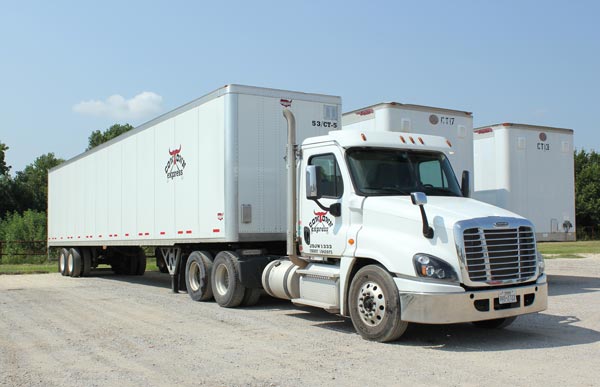
Dry van trucking is the most widely used freight transportation method in the United States, designed to move non-perishable, palletized, and boxed goods in fully enclosed trailers. Businesses rely on dry van loads and professional dry van dispatch services for safe, cost-effective, and flexible shipping across local, regional, and nationwide routes.
Dry van trucking quietly keeps the U.S. economy moving. From retail shelves and manufacturing plants to distribution centers and warehouses, dry van freight loads handle the majority of everyday goods Americans use. If you are a shipper, broker, or fleet owner, understanding how dry van transportation services work can directly impact efficiency, cost control, and delivery reliability.
This guide breaks down everything you need to know, using real-world U.S. logistics context and expert insight.
What Is Dry Van Trucking?
Dry van loads refers to freight transport using a fully enclosed, box-style trailer. These trailers protect cargo from weather, road debris, and theft, making them ideal for a wide range of general freight.
Standard dry van trailers in the USA typically measure 53 feet in length, although 48-foot and shorter options are also common for regional routes. Unlike refrigerated or flatbed trailers, dry vans do not provide temperature control or open loading access, which helps keep operating costs lower.
Common Characteristics of Dry Van Trailers
- Fully enclosed aluminum or steel construction
- Rear swing or roll-up doors
- Dock-height loading compatibility
- Suitable for palletized and boxed goods
This versatility explains why dry van trucking accounts for a large share of total U.S. freight volume.
Types of Dry Van Loads in the U.S. Market
Dry van loads cover a broad spectrum of industries. Because the cargo does not require refrigeration or special handling, dry van freight loads are often easier to schedule and more cost-effective.
Common Dry Van Freight Loads
- Consumer packaged goods
- Retail inventory and e-commerce shipments
- Electronics and appliances
- Automotive parts and components
- Furniture and home goods
- Paper products and packaging materials
These loads typically move through major freight corridors such as California to Texas, Midwest manufacturing hubs, Southeast distribution networks, and Northeast retail routes.
Why Dry Van Transportation Services Dominate the U.S. Supply Chain
Dry van transportation services are popular because they balance flexibility, affordability, and availability. For most shippers, dry vans are the default option unless cargo requires special handling.
Key Advantages
- Cost Efficiency: Lower rates compared to reefer or specialized trailers
- Wide Availability: The most common trailer type in the U.S. trucking fleet
- Cargo Protection: Enclosed design reduces risk of damage and loss
- Operational Simplicity: Faster booking and easier dispatching
For carriers, dry van trucking offers steady demand and predictable lanes, especially in high-volume consumer markets.
Understanding Dry Van Dispatch Services
A dry van dispatch service plays a critical role in connecting drivers with profitable loads while managing back-office operations. In today’s competitive freight market, dispatchers do far more than just book loads.
What a Professional Dry Van Dispatch Service Handles
- Load sourcing and rate negotiation
- Route planning and mileage optimization
- Broker and shipper communication
- Appointment scheduling and check calls
- Compliance with U.S. DOT and FMCSA guidelines
For owner-operators and small fleets, outsourcing dispatch can reduce downtime and increase weekly revenue without adding administrative stress.
How Dry Van Loads Are Priced in the USA
Pricing for dry van freight loads depends on several U.S.-specific market factors. Rates can fluctuate daily based on fuel costs, seasonality, and regional demand.
Main Pricing Factors
- Distance and lane demand
- Fuel prices and surcharge structures
- Load weight and pallet count
- Pickup and delivery urgency
- Market conditions in origin and destination states
High-demand lanes such as California outbound, Texas distribution routes, and Midwest manufacturing corridors often command stronger rates for dry van trucking.
Dry Van Trucking vs Other Freight Options
Understanding how dry van transportation services compare to other trailer types helps shippers choose the right solution.
Dry Van vs Refrigerated Freight
Dry vans are more affordable and easier to source, while reefers are required for temperature-sensitive goods such as food and pharmaceuticals.
Dry Van vs Flatbed
Flatbeds allow oversized or construction materials but require tarping and weather exposure. Dry van freight loads offer better protection and simpler loading.
For most general cargo, dry van trucking remains the most practical choice.
Technology and Tracking in Modern Dry Van Transportation
Today’s dry van trucking operations rely heavily on technology. Shippers and carriers expect transparency, real-time updates, and data-driven decisions.
Common Tools Used in Dry Van Services
- GPS tracking and route monitoring
- Electronic logging devices (ELDs)
- Transportation management systems
- Digital rate confirmations and paperwork
These tools improve on-time delivery performance and build trust between shippers, brokers, and carriers across the U.S.
Compliance and Safety Standards in the U.S.
Dry van transportation services must comply with federal and state regulations to operate legally and safely.
Key Compliance Areas
- FMCSA safety regulations
- Hours of Service rules
- Cargo securement standards
- Weight limits and axle regulations
Reliable dry van trucking providers prioritize compliance to reduce risk, avoid fines, and protect cargo integrity.
Choosing the Right Dry Van Dispatch Service
Not all dispatch services are created equal. Selecting the right partner can directly impact profitability and long-term growth.
What to Look For
- Experience with U.S. dry van freight markets
- Strong broker relationships
- Transparent fee structures
- Clear communication and reporting
- Proven understanding of lane profitability
A skilled dispatch team focuses on consistent loads, fair rates, and minimal deadhead miles.
The Future of Dry Van Trucking in the USA
Dry van trucking continues to evolve alongside e-commerce growth, reshoring of manufacturing, and increased consumer demand. As supply chains adapt, dry van freight loads remain essential for moving goods efficiently across states.
Emerging trends include:
- Increased use of digital freight matching
- Greater focus on fuel efficiency
- Data-driven lane optimization
- Higher expectations for delivery visibility
Despite market shifts, dry van transportation services are expected to remain the backbone of U.S. logistics for years to come.
Final Thoughts
Dry van trucking is more than just moving boxes from point A to point B. It is a complex, essential system that supports retail, manufacturing, and distribution across the United States. With the right dry van dispatch service, optimized routes, and compliance-focused operations, carriers and shippers can achieve reliability, profitability, and long-term success.
Whether you are managing dry van loads daily or exploring dry van freight loads for the first time, understanding this segment gives you a strategic advantage in the competitive U.S. freight market.





Leave a Reply