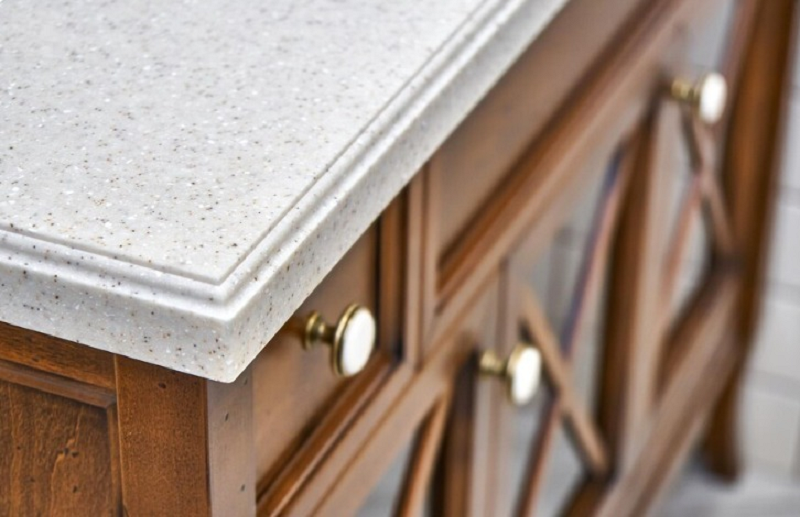
The focus when redesigning your kitchen is usually on the recruiting of the cabinetry, appliances, and surfaces of the kitchen. However, one critical detail that significantly influences both aesthetics and performance is kitchen worktop edging. The profile of the edge is not a mere decoration; it defines the general look of your worktops in the kitchen, interferes with durability and becomes crucial in day-to-day life utilisation.
At KML Worktops, we understand that overlooking kitchen worktop edging can lead to costly corrections and design inconsistencies. This guide outlines the most common mistakes homeowners make and how to avoid them to achieve a refined and long-lasting kitchen design.
Why Kitchen Worktop Edging Matters?
Kitchen worktop edging is not merely decorative. It has several everyday and aesthetical uses:
- Presents the surface of the piece against chipping and impact.
- Improves safety through rounded off edges.
- Determines the aesthetic weight and nature of the work top.
- Complements cabinetry and overall kitchen design
Selecting the wrong edge profile can disrupt the harmony of your kitchen design, affect maintenance, and even reduce the lifespan of your kitchen worktops.
Top 10 Worktop Edging Mistakes to Avoid
Selecting the right kitchen worktop edging is a crucial step in achieving a refined and durable finish. Nevertheless, the quality of the kitchen worktops may fail when the decisions to edge are not included in time or are not thought through properly.
Below are the top 10 worktop edging mistakes to avoid to ensure your kitchen design remains both elegant and practical:
1. Choosing Style Over Function
One of the most frequent mistakes in kitchen worktop edging is prioritising appearance over practicality.
Intricate profiles that include ogee or ornamental edges are a good way of giving the kitchen a luxurious look, but it might not be appropriate in busy kitchens. Acute or decorative edges are easily chipped, and necessitate further cleaning hard work because they have crevices which harbor dust and debris.
How to avoid this mistake:
Striking the balance between elegance and usability. When dealing with family kitchens which are in a hurry, use eased or slightly curved edges. These profiles provide durability and easier maintenance while still enhancing your kitchen design.
2. Ignoring Lifestyle Requirements
Your daily routine should influence your choice of kitchen worktop edging. Households that have families or older patients are advantaged to have a smoothed and rounded edges to reduce the possibility of injuries.
Avoidable hazards could be created by choosing sharp square profile in these settings.
It is imperative to have professional advice. Before we give you the appropriate edging recommendation to use on your kitchen worktops, we first assess the use of your kitchen.
3. Mismatching Edge Profile with Kitchen Design
Another common error is selecting kitchen worktop edging that conflicts with the broader kitchen design theme.
- Innovation in kitchens in favour of straight, pencil, or mitered edges.
- Traditional kitchens are used with accompaniment of ogee or bevelled profiles which decorate it.
- The kitchens of a rustic or farmhouse can gain on washed-out or allowed edges.
A fancy profile in a very simple room may be excessive whereas an ordinary line in a conventional one may seem abundant.
When assembling cabinetry always remember about cabinetry style, colour palette, and architecture.
4. Overlooking Thickness and Proportion
Edge profile and thickness are collaborating. A large Island with a slender periphery can be seen as aesthetically feeble and a too tight mitered edge in a diminutive kitchen abuts cabinetry.
Kitchen worktop edging should maintain proportional balance with:
- Cabinet depth
- Island dimensions
- Backsplash height
- Appliance scale
Professional fabrication ensures that the perceived thickness enhances rather than dominates your kitchen worktops.
5. Neglecting Material Compatibility
Not every edge profile is appropriate to all of the materials. Engineered quartz is more uniform and can be used with complicated edging but natural stones like granite and marble should be carefully carved as they have veins and composition.
Choosing intricate kitchen worktop edging without considering the material’s structural properties can result in:
- Increased risk of chipping
- Fabrication challenges
- Increased long term maintenance.
When it comes to choosing your profile, it is best to consult with someone who has experience in using trademarks; this way, you will not have any problems adapting to the stone that was chosen to be used in your kitchen worktops.
6. Forgetting Long-Term Maintenance
Some of the edge styles are harder to maintain. Enhancing grooves and other detailed curves on the same occasion amass residue and must be routinely cleaned.
If ease of maintenance is a priority, opt for simplified kitchen worktop edging that allows a single, smooth wipe.
This decision significantly impacts long-term satisfaction with your kitchen design.
7. Poor Installation and Joinery
Even the most carefully selected kitchen worktop edging can be compromised by substandard installation.
The installation misdeeds that occur are common and they include:
- Poor support under the overhangs.
- Exposed or half covered joints.
- Misaligned edge finishing
Installation must be of high precision. Even seamless joinery and proper structural support retain the integrity of your kitchen worktops and keeps them in a polished look..
8. Overlooking Coordination with Sink and Tap Choices
The edge design must be smooth with sink cut-outs and location of taps. For example:
- Pair Electrostatically fused into undermount are gracefully eased, or slightly rounded.
- Spectacular decorative edges will not blend with simple tapware.
A cohesive approach ensures that kitchen worktop edging enhances rather than competes with functional elements.
9. Failing to Plan for Budget Realities
Intricate or custom kitchen worktop edging profiles involve additional fabrication time and craftsmanship. These costs are underestimated by many of the homeowners.
Budgeting kitchen work tops: when budgeting take into account:
- Edge profile complexity
- Fabrication requirements of materials.
- Installation precision
With clear engagement with experts, there will be no sudden costs and high standards will be ensured.
10. Treating Edging as an Afterthought
Perhaps the most significant mistake is regarding kitchen worktop edging as a minor detail. As a matter of fact the profile of the edge delineates the manner in which the light reacts against the surface, the way that the worktop is touched, and fits with the lines in the cabinetry.
A thoughtfully chosen edge transforms ordinary kitchen worktops into a cohesive centrepiece of your kitchen design.
KML Worktops Approach
At KML Worktops, we treat kitchen worktop edging as an integral component of the design and fabrication process. Our approach includes:
- Comprehensive consultation aligned with your kitchen design vision
- Edge suggestions relating to materials.
- The exact production of fabricated items by means of improved methods.
- Profitable installation by experts.
Through our art and design we have made sure that your kitchen worktops are not only refined aesthetically but also that they last longer.
In Conclusion, renovating your kitchen is a significant investment, and overlooking kitchen worktop edging can undermine the overall result. From mismatched profiles and poor material compatibility to maintenance oversights and installation errors, these mistakes are entirely avoidable with professional guidance.
When thoughtfully selected and expertly fabricated, kitchen worktop edging enhances durability, safety, and visual harmony. At KML Worktops, we are committed to delivering edging solutions that elevate your kitchen design and ensure your kitchen worktops remain timeless and resilient for years to come.


Leave a Reply