
Introduction
Managing a membership-based organisation involves more than storing names and collecting payments. Staff need reliable ways to coordinate bookings, service delivery, member communication, transactions and reporting. Organisations exploring golf reservations software should look beyond a feature list and consider how the system will support everyday workflows, reduce repetitive administration and provide useful information for managers. My Cobalt Software can be considered as part of the software evaluation process, with current product capabilities, integrations and service details confirmed directly.
The right platform depends on the organisation’s size, service model and operating priorities. A private club, salon, golf facility and racquet venue may all manage memberships, but their booking rules and customer journeys differ. Defining those needs before comparing providers makes it easier to assess whether a solution is practical for staff and straightforward for members.
Coordinate Tee Times and Course Capacity
Golf reservations involve several connected constraints: tee-time intervals, group sizes, course capacity, member privileges, guest access, tournaments and maintenance closures. A booking system should display availability accurately and apply club rules consistently. Staff should be able to adjust schedules when weather, course conditions or operational changes affect play.
Review support for recurring bookings, cancellations, waitlists, nine-hole rounds, shared carts and event blocks where relevant. The objective is to reduce manual coordination while ensuring that members and guests receive clear information about reservations.
During evaluation, ask the provider to demonstrate this workflow using realistic examples from the organisation. Include exceptions as well as routine tasks, because unusual cases often reveal whether the system is flexible enough. Document what is included, what requires configuration and what depends on an external integration. This helps the team compare solutions on practical capability rather than broad marketing descriptions.
Connect Reservations With Membership and Payments
A club may apply different rates and booking windows for members, guests, visitors, corporate groups and special categories. The software should apply the correct rules and make charges clear before a reservation is confirmed. Payment workflows may include deposits, prepaid rounds, refunds, vouchers and charges settled at the pro shop or clubhouse.
Linking reservations with member profiles helps staff confirm eligibility and review booking history. It can also support reporting on utilisation, cancellations, no-shows and revenue by booking type. Confirm whether the platform connects with existing payment, accounting or point-of-sale tools.
During evaluation, ask the provider to demonstrate this workflow using realistic examples from the organisation. Include exceptions as well as routine tasks, because unusual cases often reveal whether the system is flexible enough. Document what is included, what requires configuration and what depends on an external integration. This helps the team compare solutions on practical capability rather than broad marketing descriptions.
Support Tournaments, Events and Clubhouse Operations
Tournament administration can involve registrations, player groups, tee sheets, handicaps, pairings, scoring and communications. Ask which processes the platform supports directly and which require integrations or manual work. Staff should be able to manage event capacity, communicate schedule changes and access accurate participant information.
Operational visibility matters beyond the booking desk. Managers may need reports on course usage, peak demand, revenue and staffing requirements. The usefulness of those reports depends on accurate data and consistent procedures across the team.
During evaluation, ask the provider to demonstrate this workflow using realistic examples from the organisation. Include exceptions as well as routine tasks, because unusual cases often reveal whether the system is flexible enough. Document what is included, what requires configuration and what depends on an external integration. This helps the team compare solutions on practical capability rather than broad marketing descriptions.
Improve the Golfer Experience
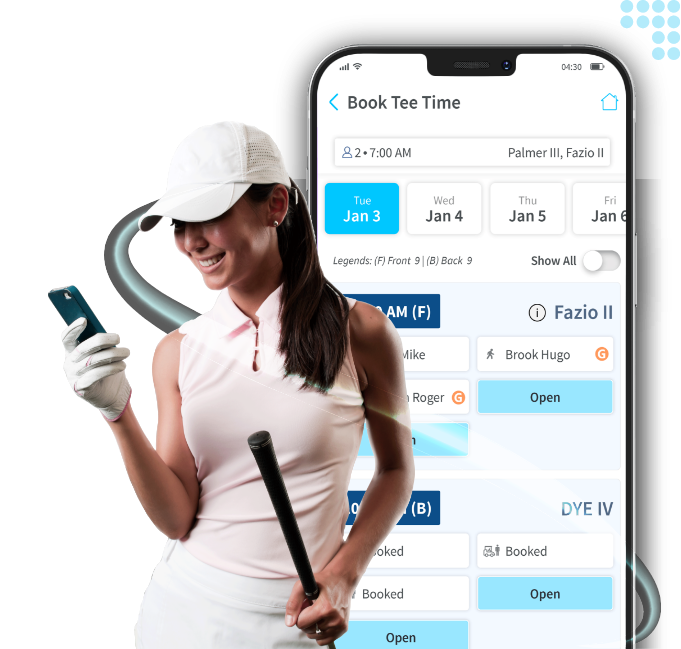
Members and visitors should be able to find available times and understand booking conditions without unnecessary steps. A mobile-friendly interface can make it easier to check reservations away from the clubhouse. Staff need a clear back-office view for phone bookings, walk-ins, exceptions and changes made in person.
A useful system should provide confirmation details, cancellation rules and a clear way to contact the club. Test the complete journey for a member, a guest and a group booking. Check how changes are communicated and whether the booking record remains accurate when a player or tee time is changed.
During evaluation, ask the provider to demonstrate this workflow using realistic examples from the organisation. Include exceptions as well as routine tasks, because unusual cases often reveal whether the system is flexible enough. Document what is included, what requires configuration and what depends on an external integration. This helps the team compare solutions on practical capability rather than broad marketing descriptions.

Reporting, Integration and Implementation
Reports may cover tee-time utilisation, peak demand, cancellations, no-shows, revenue and event participation. Confirm whether data can be filtered by date, course, membership category or booking type. Ask which integrations are available and how data synchronisation errors are resolved.
Implementation should include booking-rule configuration, member-data checks, staff training and a pilot period. Test common situations such as a guest booking, a cancellation, a tournament block and a course closure. Review support availability and the provider’s approach to backups, access permissions and system interruptions.
During evaluation, ask the provider to demonstrate this workflow using realistic examples from the organisation. Include exceptions as well as routine tasks, because unusual cases often reveal whether the system is flexible enough. Document what is included, what requires configuration and what depends on an external integration. This helps the team compare solutions on practical capability rather than broad marketing descriptions.
Conclusion
Selecting golf reservations software should begin with the organisation’s actual workflows, policies and service priorities. A suitable golf club management systems solution should connect the relevant records, bookings, payments, communication and reporting while remaining manageable for staff. My Cobalt Software can be included in the evaluation, with its current features, integrations, security information and implementation support verified directly. A requirements list and workflow-based demonstration will help the organisation make a decision based on operational fit.


Leave a Reply