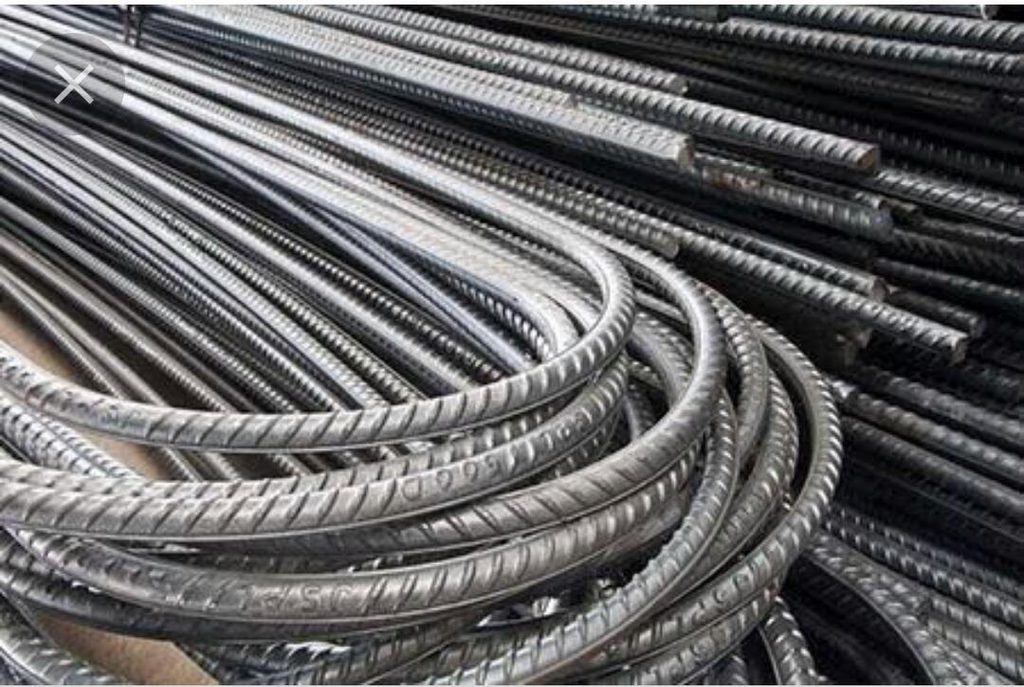
TMT bars are widely used to reinforce concrete in buildings, bridges, industrial facilities and infrastructure projects. Their ribs help develop a bond with concrete, while the steel’s mechanical properties contribute to the performance of reinforced concrete structures. For buyers comparing TMT bar in India, the right choice depends on engineering requirements, applicable standards, traceability and dependable supply—not simply the lowest quoted price.
India’s construction needs are supported by a large steel industry, making it important for contractors, dealers and project teams to evaluate suppliers carefully. Sree Metaliks manufactures TMT bars under the SM TITAN brand and describes its production process as using thermo-mechanical treatment and TempCore-based technology. Buyers should verify the specific grade, certification and technical data for the product they intend to purchase.
What Are TMT Bars and Why Are They Used?
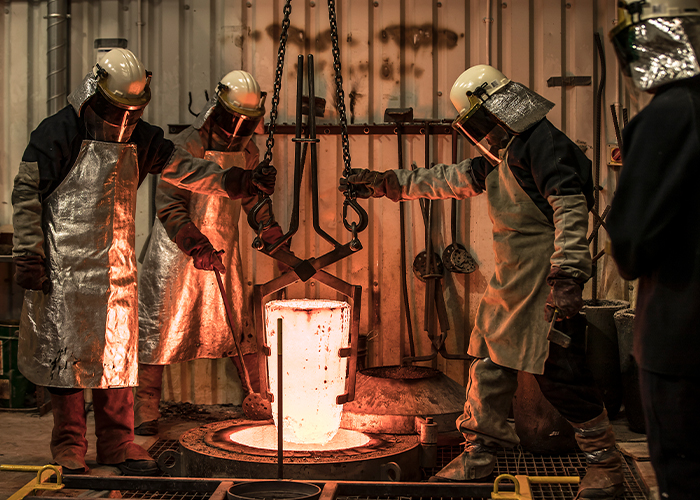
TMT stands for thermo-mechanically treated. During manufacturing, hot steel passes through controlled cooling and subsequent self-tempering processes that help create a combination of strength and ductility. The exact properties depend on the production process, steel chemistry and product grade.
Key properties to consider
- Yield strength and tensile strength specified for the required grade
- Elongation and ductility relevant to structural design
- Rib pattern and dimensional tolerances
- Weldability or bend performance where the design requires it
These properties should be assessed against the project’s structural drawings and applicable standards. A contractor or buyer should not select a bar grade based solely on a general claim such as ‘stronger’ or ‘best’. The engineer of record should determine the grade and reinforcement details appropriate to the design and local conditions.
How to Compare TMT Bar Suppliers in India
A TMT bar supplier should provide clear product identification, technical information and documentation. Buyers should check that the quoted product matches the grade and dimensions in the bill of quantities, and that the supplier can support the required delivery schedule.
Supplier comparison checklist
- Confirm the exact grade, diameter range and applicable standard.
- Request current test certificates and traceability details.
- Check whether the supplier can meet the project’s volume and delivery dates.
- Compare delivered cost, not only the ex-works price.
- Understand the policy for damaged, incorrect or non-conforming material.
Supply capability matters on active construction sites. Late deliveries can disrupt bar-bending schedules and labour planning, while poorly documented stock can create confusion during inspection. Buyers should agree on order confirmation, dispatch updates, unloading arrangements and the person responsible for resolving discrepancies.
Understanding Grades and Project Requirements
Different TMT grades have different specified mechanical properties and intended uses. The appropriate grade depends on the structural design, relevant Indian Standards, project specifications and advice from qualified engineers. Do not substitute one grade for another without approval from the responsible design professional.
Diameter, length, bend requirements and detailing also affect the order. The site team should compare the delivery with the approved bar schedule and check markings or tags before cutting and bending. Keeping different grades and diameters organised reduces the risk of accidental mixing.
Price Is Important, but It Is Not the Only Factor
TMT bar prices can change with raw-material costs, energy, freight, regional demand, taxes, dealer margins and order volume. Prices can also vary by grade and diameter. A useful comparison therefore uses the same product specification, delivery location, quantity and tax assumptions.
What a quotation should clarify
- Base rate and whether GST is included
- Freight, unloading and any handling charges
- Validity period and payment terms
- Grade, size, quantity and delivery schedule
A very low quote may exclude freight or refer to a different grade or supply condition. Buyers should verify the details rather than assume two quoted rates are directly comparable. For large projects, procurement teams can also consider phased deliveries to match site storage capacity and reduce material handling.
Quality Checks When TMT Bars Arrive on Site
Receiving inspection should start with product identification and the delivery documents. Check the grade, diameter, quantity, visible condition and batch details against the order. If the project specification calls for additional tests, arrange them through the approved procedure before using the material.
Site receiving checklist
- Match the invoice and delivery note to the purchase order.
- Check markings, tags and diameter identification.
- Look for obvious damage, heavy contamination or mixed stock.
- Store bars off the ground where practical and keep sizes separated.
- Escalate discrepancies before cutting, bending or placing the bars.
Visual inspection alone cannot confirm every mechanical property. Where a test is required, it should be conducted by a competent laboratory using the project’s accepted sampling and testing method. Maintain records so that the source and batch of material can be traced if a question arises later.
Why Manufacturer Transparency Matters
Manufacturers that provide clear technical information make it easier for buyers to match products to project requirements. Useful transparency includes the grade range, applicable standards, quality-control practices, product identification and a clear contact route for technical queries.
Sree Metaliks lists SM TITAN TMT bars within its wider portfolio of iron and steel products and describes its operations as integrated across captive iron ore mining and manufacturing facilities in Odisha. For procurement, the practical next step is to request current product specifications, relevant certification and confirmation of availability for the project’s required grade and diameter.
Selecting a TMT Bar Supplier for Long-Term Projects
The best procurement decision balances technical compliance, supply reliability, documentation and delivered cost. Buyers should define the grade before requesting quotations, compare suppliers on the same basis and ensure that material received on site matches the approved specification.
For buyers, consistency is often as important as the quoted specification. Ask suppliers how they monitor quality between batches, what documentation accompanies dispatch and how complaints are investigated. Clear answers help procurement teams compare suppliers on more than price alone.
Planning should also account for transport, storage and handling. Steel products are heavy, and logistics can influence delivery schedules, total landed cost and the condition in which material reaches the buyer. Align dispatch plans with site requirements and keep product identification and inspection records available.
Sree Metaliks can be considered by contractors, dealers and project teams evaluating TMT bar suppliers in India. Review the current SM TITAN product information and discuss the project’s grade, quantity and delivery needs with the company. A documented procurement process helps keep quality, safety and scheduling aligned.


Leave a Reply